Supporter of the ‘underdog’ and fair play, freedom of the individual balanced with responsibility to the community. Supporter of our heritage and countryside. Environmental campaigner for action on climate change, sustainable farming, transport and economy
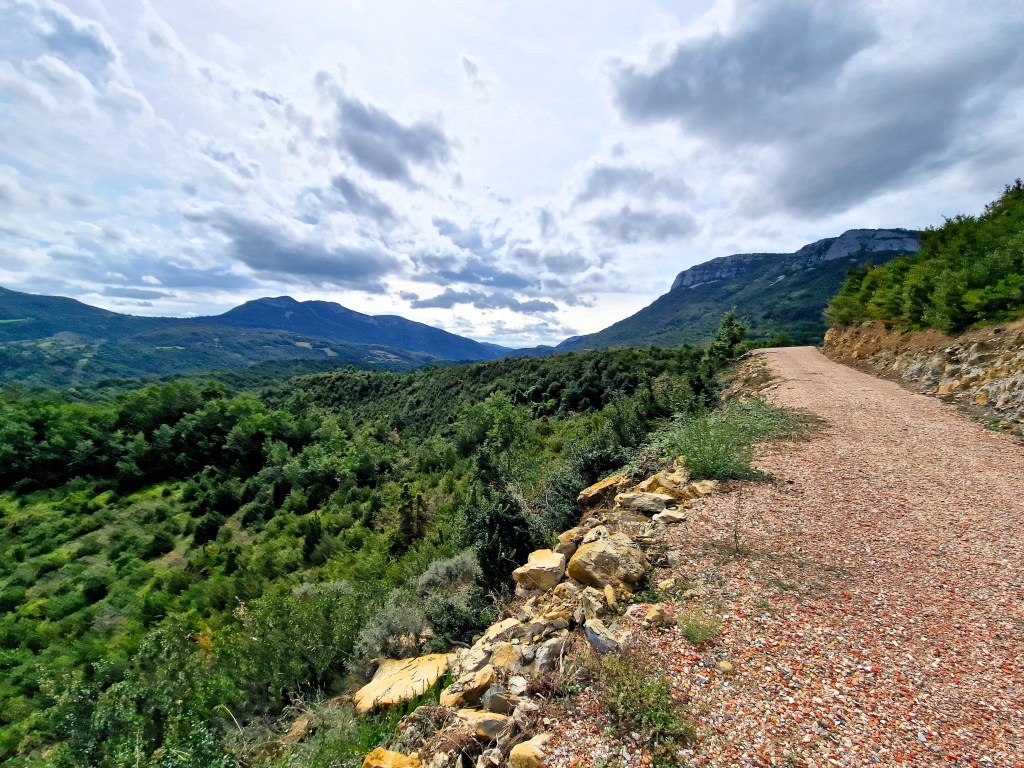
Cycling part of the Camino de Santiago in Spain starting from Bayonne in SW France and the final part through the Picos Europa. A 400 miles cycle ride with over 26,000 ft (7958 m) of ascent (phew!). A great adventure and some major challenges! Both the journey through the Pyrenees and the journey through the Picos de Europa. were fantastic!
Cycling the Camino de Santiago through the Basque Country, Navarra, La Rioja, Castilla y Leon and Cantabria
Vic Ient’s diary blog – October 2023 Photo collection click HERE
I have recently returned from cycling part of the Camino de Santiago in Spain starting from Bayonne in SW France and the final part through the Picos Europa. A 400 miles cycle ride with over 26,000 ft (7958 m) of ascent (phew!). Great adventure and some major challenges!
2025 Update! – Cycling UK, the UK’s national cycling charity, in its Feb/Mar 2025 edition published a 4 page spread about the trip. Click the image above to read the article and see the photos of the trip.
Update! My cycling companion, Jonathan has made a short video of the trip:
In 2019, my friend Jonathan and I cycled about 300 miles of the Camino Francaise from, Frómista, just west of Burgos to Santiago de Compostella. This year, 2023, was the first time after COVID we had the opportunity of completing the first section of the Camino de Santiago, from Saint-Jean-Pied-de-Port to Frómista, where our 2019 journey started. This time we were joined by our friend John Clark.
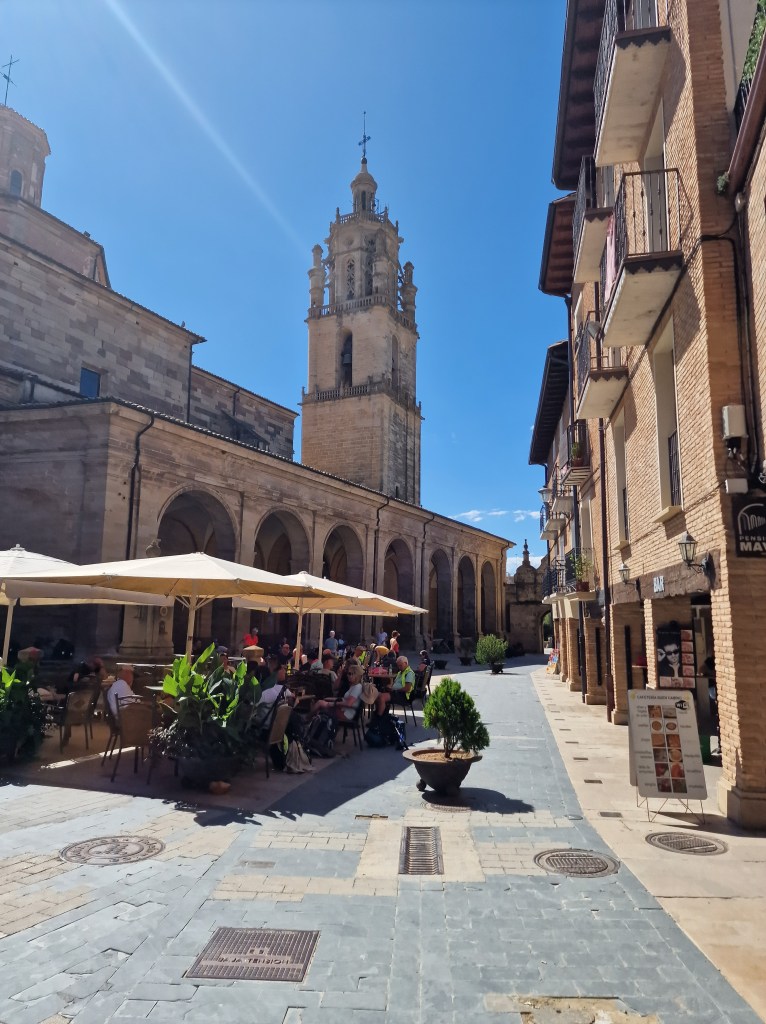
A welcome stop for lunch in a town on the Camino de Santiago
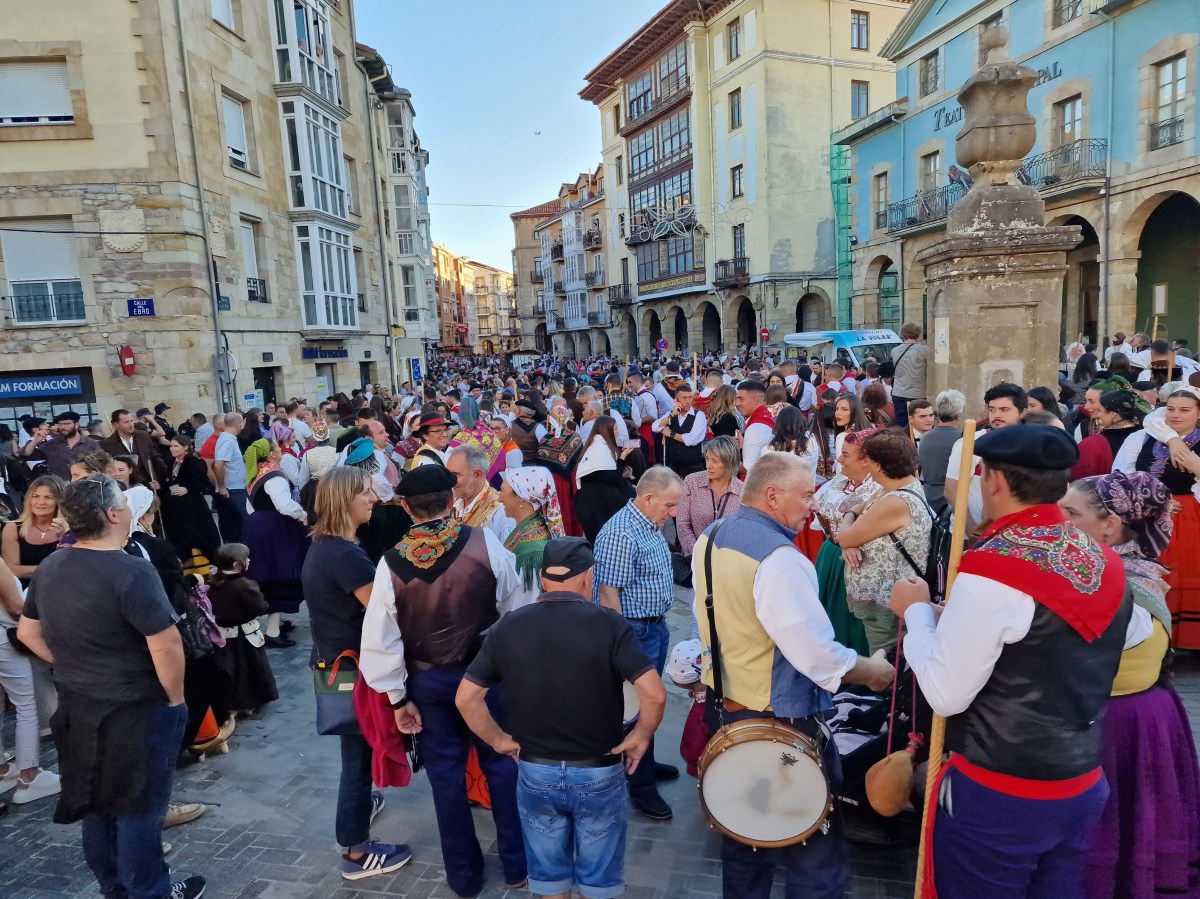
During our cycle ride along the Camino de Santiago we were lucky on two occasions, one at Logroño, and the other in Reinosa, to have arrived during major fiestas. They were both associated with the week-long fiesta of San Mateo (St Matthew).
In Rioja and Cantabria
Travel notes by Vic Ient – September 2023
To read more and see photos about our amazing cycle ride CLICK HERE
During our cycle ride along the Camino de Santiago we were lucky on two occasions, one at Logroño, and the other inReinosa, to have arrived during major fiestas. They were both associated with the week-long fiesta of San Mateo (St Matthew).
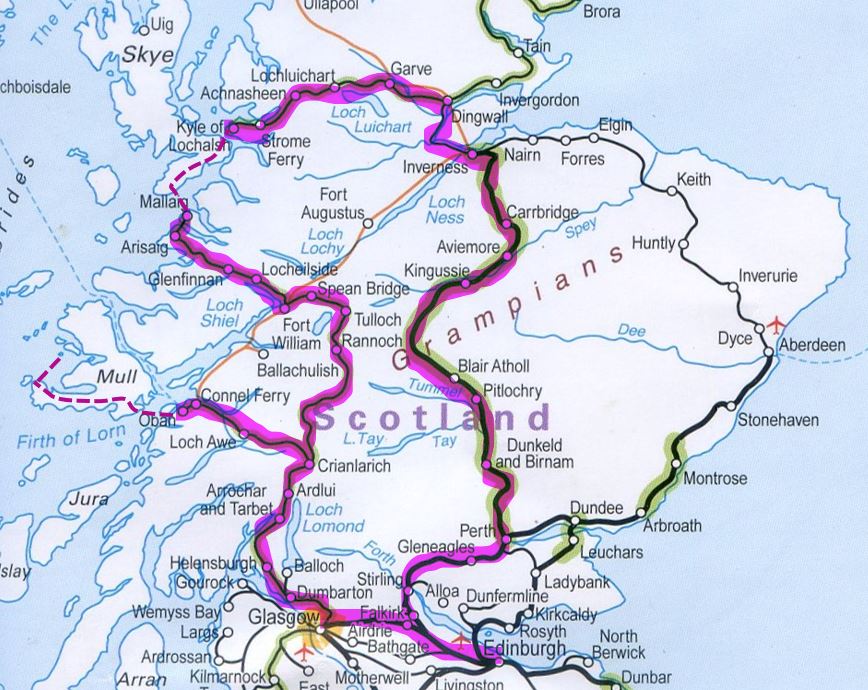
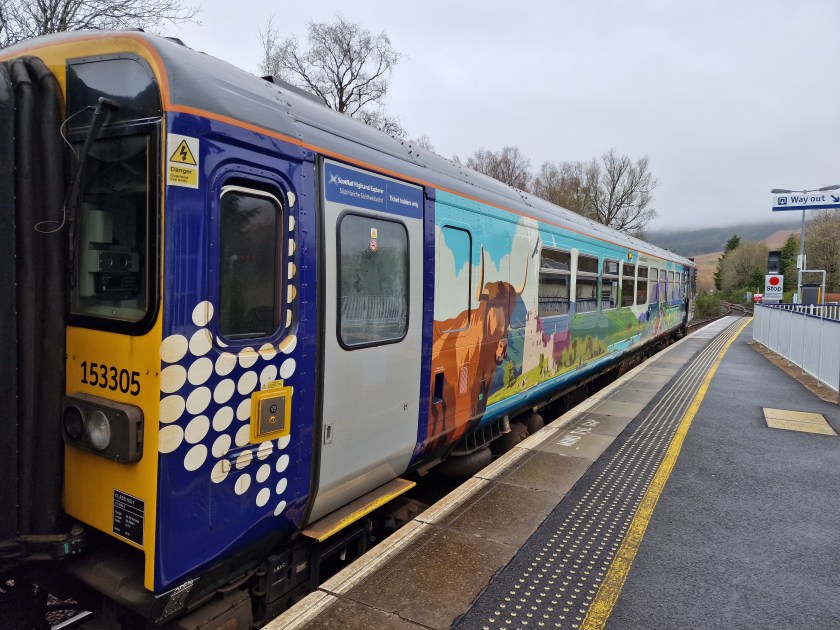
I’ve always wanted to travel around the Highlands of Scotland by train and this year I was able to fulfil this ambition. It was a fantastic visit. The weather was marvellous and so was the scenery. My wife I travelled up to Scotland on the intercity train from London to Edinburgh and then crossed to Glasgow, where our journey started. as you will see from our itinerary below, we travelled up the West Coast.
From Glasgow we travelled up the West Coast Highland line to Oban. A fascinating train journey! We stayed a few days at Oban. We had an absolutely fantastic visit to the Island of Mull, the Isle of Staffa where Fingal’s Cave is situated and Iona, which is where St. Columba is reputed to have begun his pilgrimage having travelled from Ireland. We also visited Tobermory on the Isle of Mull. Our train journey continued up the West Coast to Mallaig and over the over the famous Glenfinnan Viaduct and on with a brief visit to the Isle of Skye. We continued our railway journey from Kyle of Lochalsh railway station through Ross and Cromarty (north of the Caledonian canal) in superb weather. The train journey then took us down through the Spey Valley, through Aviemore, and through the Cairngorms which was equally scenic. We made a final stop off in the Highlands at Pitlochry to visit the hydroelectric dam which started generating clean energy in 1951! What a feat of engineering! The good weather continued for our final part of our journey to Edinburgh which is always a pleasure to visit. The icing of on the cake at Edinburgh was meeting up with my cousin and her husband before we returned south.
Liberal Democrat policies and beliefs – check out this collection of links to web sites providing further information
Here is a collection of links to web sites providing further information. A good starting point is Sir Ed Davey’s speech to the 2023 spring conference of the Liberal Democrats: Ed Davey’s speech to Spring Conference (52 mins) This link also gives the text of his speech (very useful)
The Association of Liberal Democrat Councillors (ALDC), also have policy and information to support campaigners with advice, resources and training ☎️: 0161 302 7532 📧: info@aldc.org Twitter: @ALDC https://www.aldc.org/ You may find this helpful:
The UK needs an ‘Operation Nightingale’ for Ukrainian refugees – Over 100,000 UK families are offering rooms in their homes but staging post accommodation is needed now!
The British people have demonstrated this week that they are very willing to help the Ukrainian refugees with over 100,000 families offering accommodation in their homes. This is great news and again shows to the Government we are a humanitarian nation.
However, the process of getting people to these homes could be long and drawn out so why not stage an “Operation Nightingale’’ for the refugees? We did it in Covid so why not now?
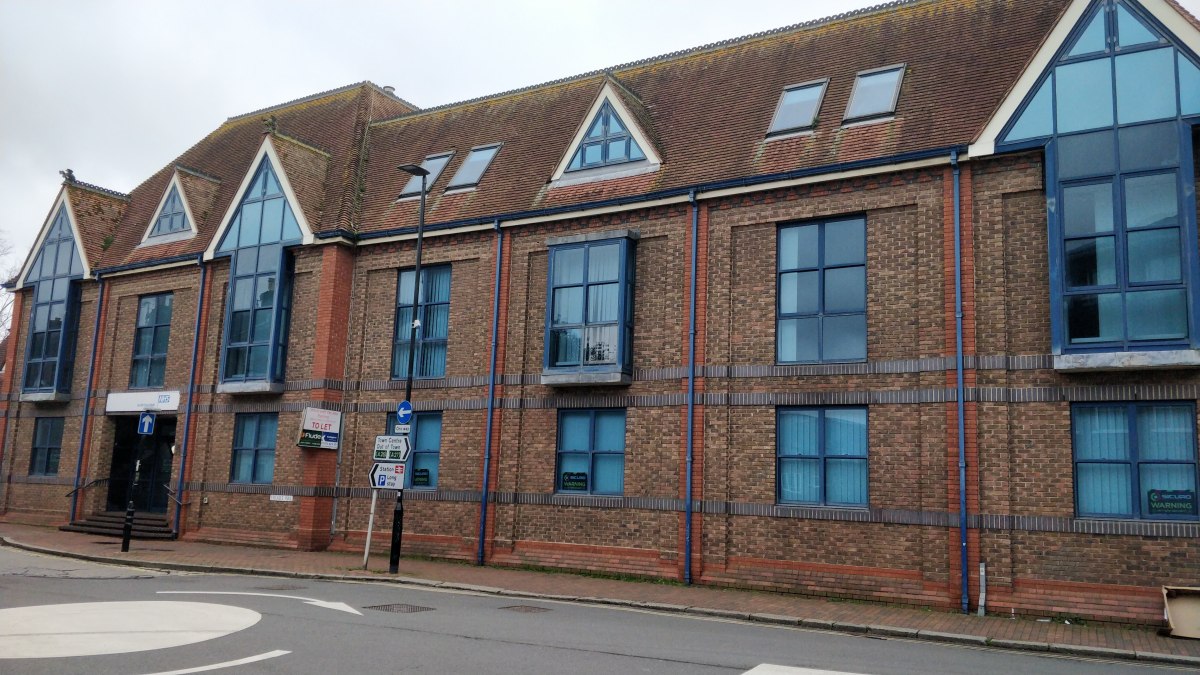
The Ukrainian refugee crisis is an emergency, and it requires emergency action. The UK needs an ‘Operation Nightingale’ approach to helping these victims of Mr Putin’s aggression. The UK Government should use its emergency powers to commandeer empty buildings which could be used to house refugees whilst better accommodation is being sought. Here in Lewes District, there are examples of empty buildings such as the former NHS building in Friars Walk, Lewes (feature photo above) and the UTC building in Newhaven. Such buildings already have toilet facilities, and it wouldn’t take much to kit them out with temporary shower units and kitchens.
There is a big role also for the Lewes District Council and the East Sussex County Council. We already know that the District Council are intending to rehouse themselves at the County Hall building taking up already vacant office space at County Hall. The District Council could delay the leasing of their building to Charleston House Trust and turn over their officies for emergency accommodation.
This approach could be repeated across the UK. In England alone, there are 333 district, county and borough councils. Each of these should be asked to review publicly owned property with a view to setting up a ‘Ukrainian Refugees Operation Nightingale’
This should be linked with one important, but simple step, the British Government needs to bring down the barriers and allow Ukrainian refugees to come to the UK visa free. The rest of Europe has taken such a measure so why not the UK?
My teenage 1960s hitch-hike to Weymouth – a magical journey to a magical place!
I hope you enjoy this look back to the 1960s in this short blog which is also available as this podcast on YouTube:
This is the audio version of this blog – ready by my son James
Weymouth to me, back in the 1960s when I was a teenager was a magical place. I was in love with it and the people and especially everything about the Wyke House Hotel! My elder brother George met June, his wife to be, in the September of 1960 in Aldershot which was our family home whilst he was convalescing following a vehicle accident whilst in the Army. Even though George was not to leave the Army until December 1961 Wyke House Hotel became the centre of June and George’s world from 1961 onward. They were were married in February 1962 at Wyke parish church which was next to the hotel. Very soon after George’s move to Weymouth I began my visits there meeting June’s family and getting to know them and their friends at this wonderful place!
One day George said come down and help with at the hotel. I decided to hitch hike. Dad insisted on taking me to the A30. I think it was Hartley Wintney. In those days, the A30 ran straight through the village. There were no motorways, and I don’t remember any bypasses or dual carriageways. The A30 would take me to Salisbury and then via another A road, high up across over Salisbury Plain and Cranborne Chase – offering wonderful vistas across the rolling countryside. I could then get to Dorchester with a short hop to Weymouth. I hitched a lift to just before Winchester, where the A33 used to divide off to Winchester and Southampton. I was heading westward towards Stockbridge and Salisbury. It was just a fork in the road in those times. No motorways in those days.
Sitting on a bank overlooking the fork in the road on a lovely sunny day, I hadn’t even started hitching when a car pulled up. More than a car – this was a Ford Mustang!
An image of a 1960s Ford Mustang from Pinrest
An open top car and the engine was throbbing way! An exceedingly rare car in those days in England. It was straight out of a Hollywood movie, red, a beautiful looking car. The guy shouted to me, “do you want a lift”? “Yes please” I yelled and scrambled down the grassy bank. As I got in, I almost stepped on a massive, great dog sitting in the footwell of the passenger seat. It was a red setter or something similar and luckily it paid no heed to me.
So off we went – and did we go! The guy took off at a rate of knots, accelerating. I watched the speedometer needle rise rapidly until we were going at over 70 mph at times. I had never been in a car at that speed before! He sped along the A30. For much of the time it was dead straight. We were on an old Roman road as I found out later.
Extract from a 1948 map of Wiltshire showing the A30 – originally the roman road from Winchester to Old Sarum (near Salisbury)
At each crest of the hill the wheels left the ground! I had my heart in my mouth. We eventually got to Salisbury where I was dropped off. I was grateful for his lift, but also grateful to get out of the car!
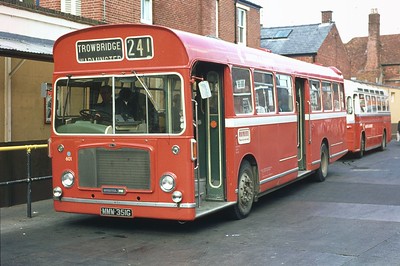
Hants & Dorset single decker at Salisbury Bus Station Click HERE for source
I found myself by the bus station. I think part of the open area was also a cattle market. To one side was a brick built rather plain building and it served as a cafe and a pub. I went in and got myself a cup of tea and a very plain sandwich, – the only type available! very typical of cafes in those days. Just a choice of ham or cheese. I had cheese. Soon after I boarded a bus to Blandford Forum. I’d always liked trips on buses especially on those old-fashioned buses with their very comfortable seats. It was a Wilts and Dorset district bus painted red.
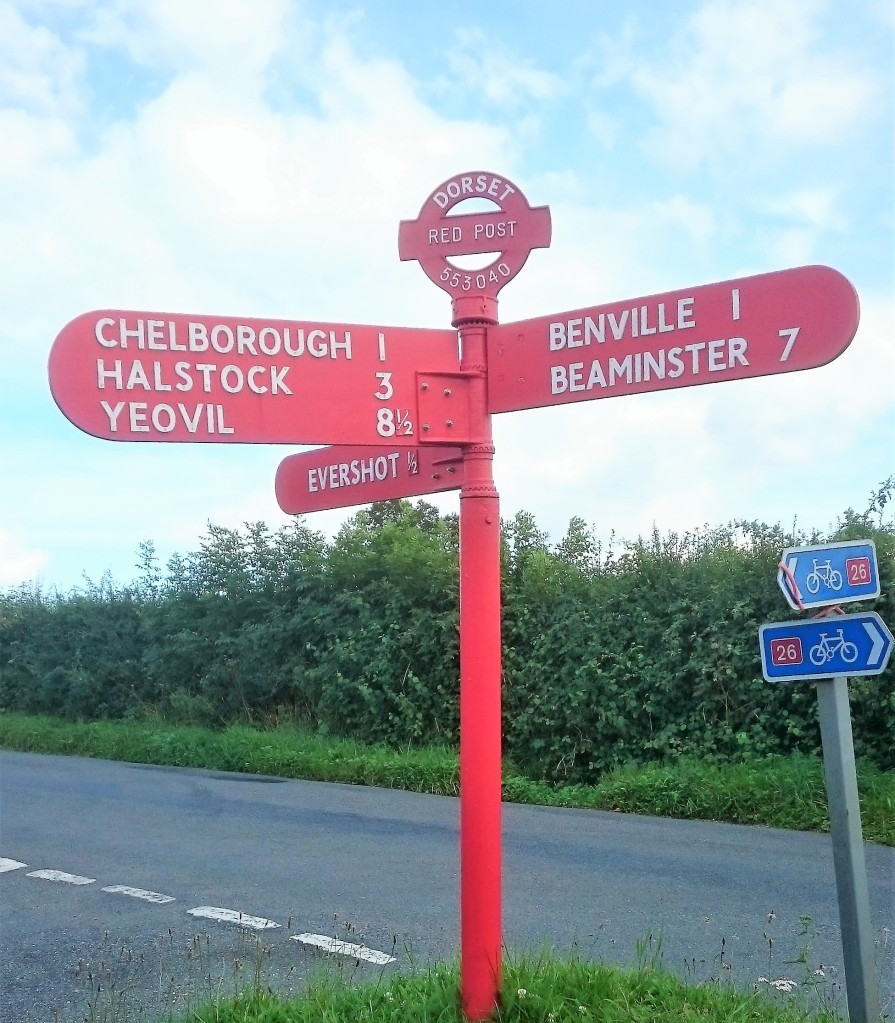
Some of the original Dorset red ‘finger posts’ road signs are now protected
It seemed to match the fingerpost road signs they had in those days throughout Dorset which were painted red. They were distinctive but, sadly, there aren’t many left today. It was a relaxing and very pleasant journey looking out the window onto the gently rolling green hills of the Wiltshire and Dorset countryside. I drifted off into dreamy thoughts without a care in the world.
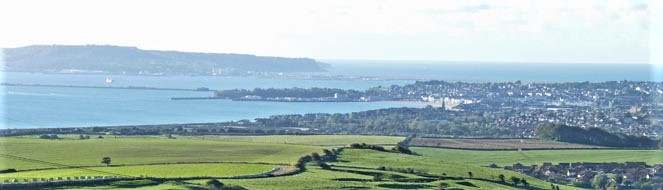
At Blandford Forum I thought, well, I’ll have another go at hitching. And literally just then a hay lorry came along, a low-backed lorry, partly loaded. As instructed, I climbed up on the back of the lorry. It was a slow, old vehicle which trudged along towards Dorchester, and I thought I was never going to get there! I felt I had gone back in time. However, it was a pleasant afternoon so no worries – the last stage of the journey was a Morris Minor. As you come into Weymouth from the Dorchester direction you get to a hilltop and a gap in the hills when you look over the whole of Weymouth and towards Portland.
I always remember the first time I saw that view, – it’s still in my mind today, you see for miles across the curving edge of Weymouth Bay and over toward the island of Portland rising out of the sea connected via a narrow ismuth to the mainland alongside Weymouth Harbour.
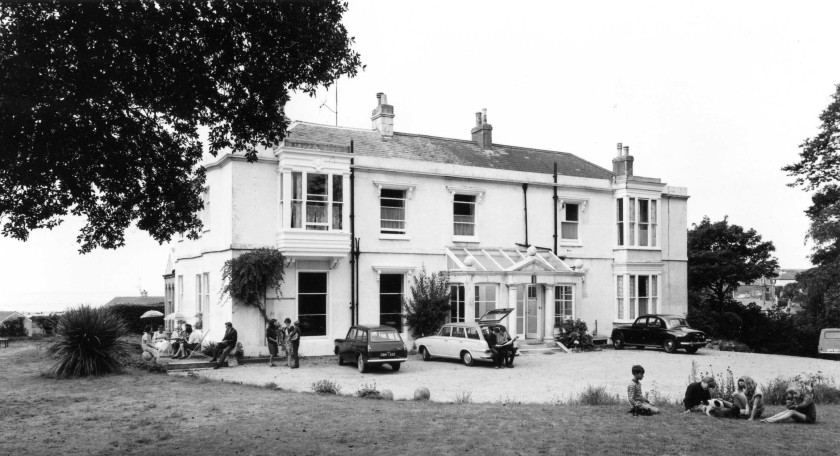
After being dropped off on the bustling seafront in Weymouth I walked up to the Wyke House Hotel. A white Georgian manor house set in its own grounds surrounded by a high wall next to Wyke church.
Wyke Church
You couldn’t see the house from the road as not only was there a wall but also there were evergreen bushes like rhododendrons which gave it that secluded feeling. Entering the gateway, you are in another world away from this modern world. There were large ancient trees in the grounds. I recall a Lebanon cedar tree to the left other trees with the outbuildings to the right. In the centre was this white Georgian building comfortably standing in its own grounds. The central portico had columns to either side with the house extended on both sides. It wasn’t a large building but nevertheless an impressive two-storey with the large Georgian windows and a fine grey slate roof.
I’d arrived at one of my favourite places in the world!
Wyke House Hotel – 1960sLocation of Wyke House Hotel on a 1960 Bartholomew’s Map of DorsetMy route to Weymouth
Lockdown – I’ve always listened to audiobooks and podcasts and during the Covid 19 lockdown I’m listening to more. I like the ‘History Extra’ podcast. It’s made by the same people who produce the BBC History magazine. The one that caught my attention recently was entitled Hunting down the Portland Spy Ring. I thought ah! a spy story! – one of my favourite subjects. I clicked on also because it said ‘Portland’ – and that means the Weymouth area to me. As soon as I started listening and heard the names of Harry Houghton and Ethel Gee it brought back memories of a major news story which came out in 1961 when this spy and a few others were sentenced in court for stealing secrets from the Admiralty Navy base at Portland.
This story transports me straight back to Weymouth in the 1960s. Back then the British Navy still had the second largest navy in the world. I can remember seeing aircraft carriers and other British warships anchored in Portland Harbour. The base employed 1,400 people directly. The influence of the naval base even extended to the Wyke House Hotel. I remember one day in the bar being introduced by George to some pilots and navigators from the Royal Canadian Naval Air Service. They were stationed for a time in Portland. One of them even gave me a whole bunch of James Bond books. That probably started my interest in spies! Looking out towards Portland today it is hard to imagine that there was ever a major naval base there! The book also stirs memories of working with George clearing out the wine cellar of the Wyke House hotel so he could turn it into a club bar. Great fun but that’s another story. What I did get from the Canadian Navy pilots was that they had known that the Wyke House hotel cellar was where their radio station was based during WWII. I have to check the validity of this story but it all adds to the magic of the place!
The podcast was fascinating! The guy who was stealing the secrets from the Navy base at Portland was Harry Houghton. He lived in Weymouth. The story tells of the meticulous work of MI5 in tracking him and the other spies down.
The Admiralty based at Portland was the same place where George later worked. As you probably know he went on to work in London in the MOD Navy Department telecoms group. I remember meeting him one day in Whitehall and we discussed John le Carréstories about spies working from a non-descript address in the Whitehall area and the process of arriving and departing and reporting to the night manager who managed the telephone switchboard. It was clear from our discussions that George had been to this location regarding his work on secret telecoms. George went on to work at the Navy bases in Gibraltar, Bermuda and Hong Kong. He was obviously a trusted party!
The book is called Dead Doubles by Trevor Barnes so I am now going to buy it!
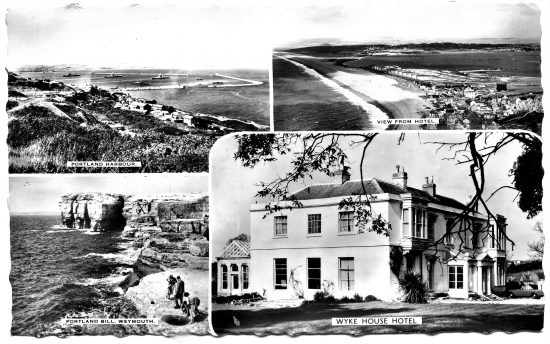
Old postcard showing the Wyke House Hotel. The top two images show Portland Harbour – probably the 1950s – British warships at anchor
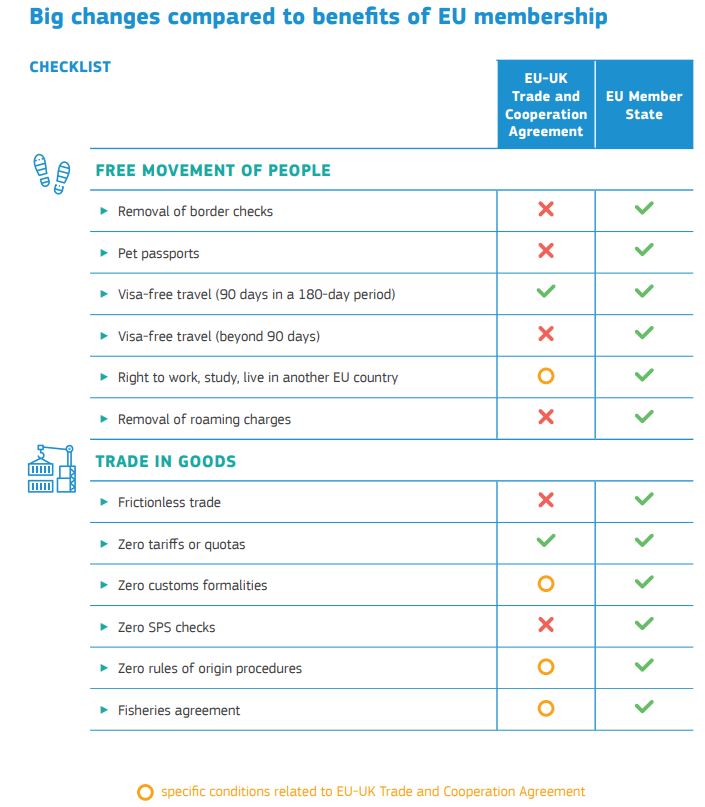
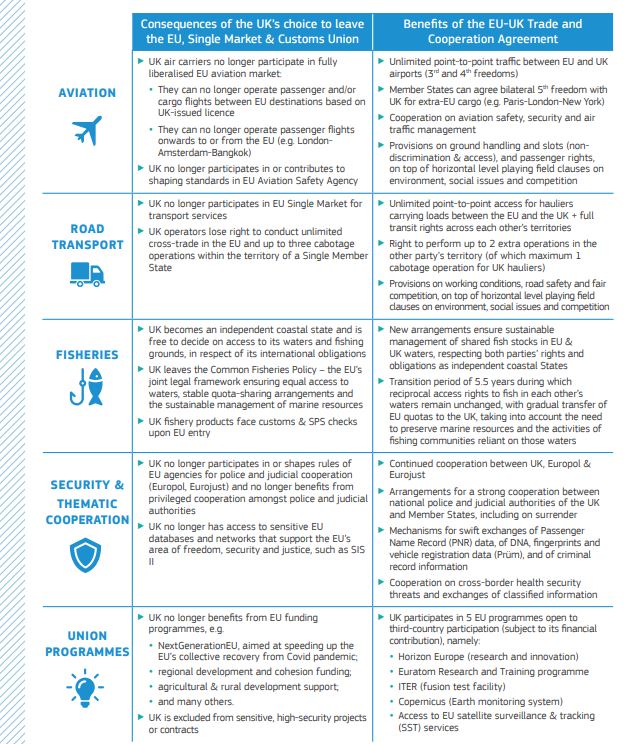
We are out of the European Union and I hope we can now start repairing all the damage which has been done to our trading and social relationship with our partners in Europe over the last 4 years but it not a question of who wins – it is question of damage limitation for both the UK and EU. Both parties will lose benefits.
Hopefully, we can now move away from isolationism and division and start working with people rather than against them. Hopefully we can concentrate on building a global sustainable economy meeting the climate change challenge where peace, humanity and the health of communities are given high priority.
It is with great sadness that I write in remembrance of my dear older brother John who passed away peacefully on March 30, aged 85. John Ient, who was born in Malta on 2nd September 1934. He is much loved and will always be remembered. (see below for a link to tributes)
Maj J E Ient leading a troop of Royal Signals through Richmond, N. Yorks
John had a successful long career as a soldier in the Royal Signals before his retirement as a Major Quartermaster, some years ago. Born in 1934 in Malta where our father was serving in the Royal Signals, the family soon moved back to England on a new Army posting and ultimately the family moved to Hong Kong where dad had been posted in 1938. With the war in the Far East
George (L) & John Ient (R) flank my mother in a photo taken in Manila, Philippines in 1940
getting closer and closer mum and brothers John and George were firstly evacuated to the Philippines and then on to Australia where they spent the war. The family was separated from our dad from 1940 to 1945. In July 1945 mum and my brothers returned to England and by this time John was nearly 11 years old. When he was 15 he joined the Army Boys’ Service rising to the rank of Boy Regimental Sergeant Major (RSM).
John Ient , Boy RSM (centre front) March Past in Beverley 1951
After transferring to the regular army he joined the Royal Signals and his army service included postings to Egypt, NATO/SHAPE headquarters at Fontainebleau France, Germany Singapore and Northern Ireland. John finished his career as a Major Quartermaster and lived many happy years in Richmond, Yorkshire with his wife Dorothy, who sadly died a few years ago.
My condolences to his son Gary and his family who live at Northallerton. With a heavy heart and fond memories from many decades ago,
John’s brother, Victor Ient
Tributes:
Click on the images below to go to specific tributes:
Announcement in the local Yorkshire newspaper with tribute
‘Much Loved’ web site with tribute and photos with link to Cancer Research UK
Link to Catterick Branch Royal Signals Association post about John